What a 3PL Actually Does (And Why It Matters for Manufacturing)
In 2026, the global supply chain is no longer about just "moving boxes." It’s about resilience, speed, and strategic sourcing.
For independently owned brands and e-commerce entrepreneurs, the gap between a successful product launch and a logistical nightmare usually comes down to one thing: the 3PL (Third-Party Logistics) partnership.
Whether you’re taking your production abroad for the first time, or migrating your supply chain from Asia to Latin America, the bridge between your factory and your customer is your 3PL.
A 3PL is an outsourced partner that manages the physical movement, storage, and fulfillment of your products. Think of it as the operational backbone between your nearshore factory and your customer’s doorstep.
1. Seamless Inventory In-take from Factories
Modern logistics starts at the source. Instead of shipping to a temporary storage unit or your own office, your factory—regardless of location,—ships directly to your 3PL.
- Receiving & Inspection: The 3PL checks shipments, counts units, and flags any damages from transit immediately.
- Nearshore Advantage: When you source through Nearshore, your transit times from Latin America to US-based 3PLs are significantly shorter than overseas shipping, meaning your inventory is "live" and sellable weeks faster.
2. Strategic Warehousing and Storage
Warehousing in 2026 isn't just "putting things on shelves." It’s about inventory visibility.
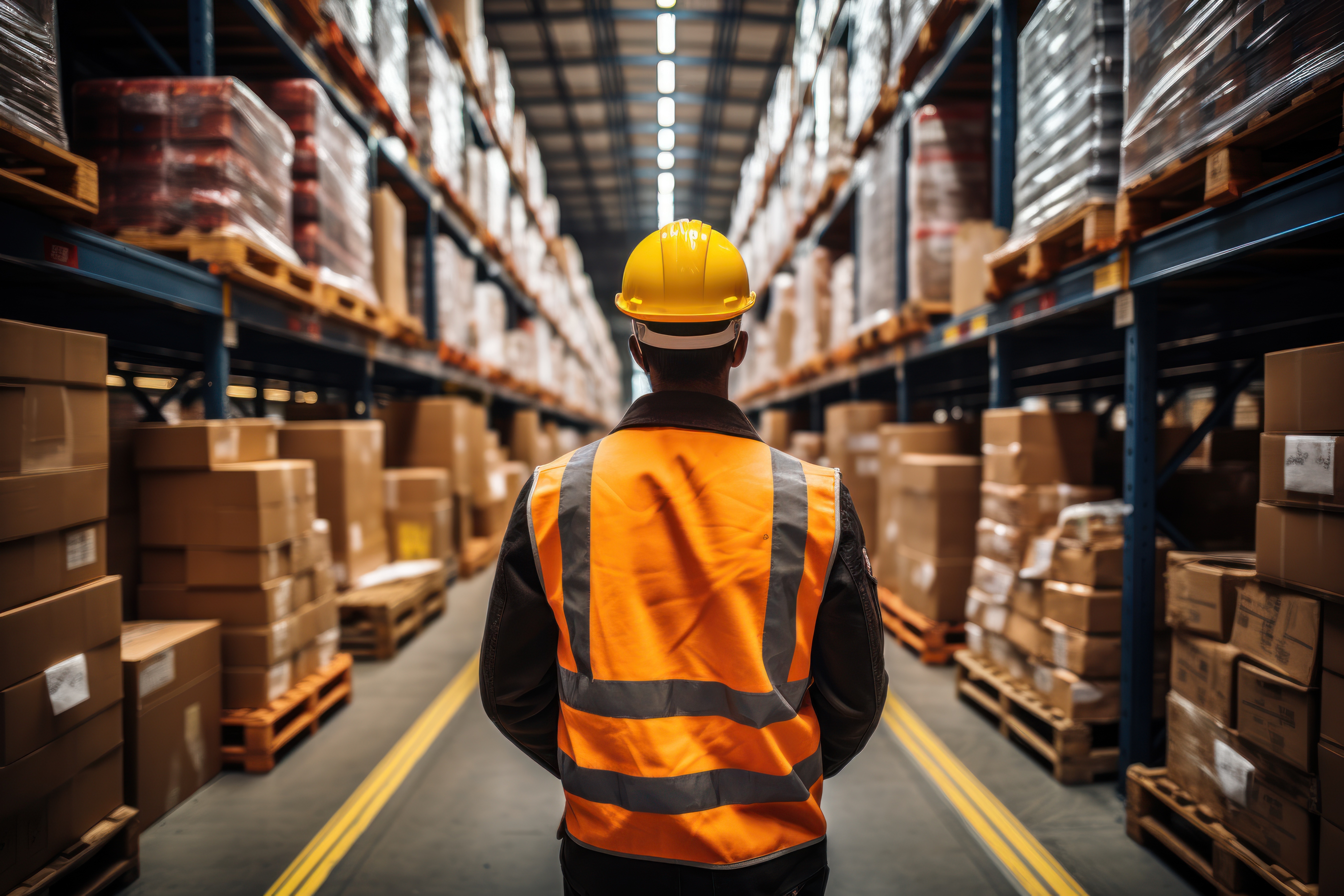
- SKU Management: 3PLs use advanced Warehouse Management Systems (WMS) to track every unit.
- Scalability: You pay for the space you use. This is critical for brands managing seasonal peaks or rapid growth without the overhead of a long-term lease.
3. Precision Pick, Pack, and Ship
This is the "meat" of the operation. When an order hits your Shopify or Amazon store:
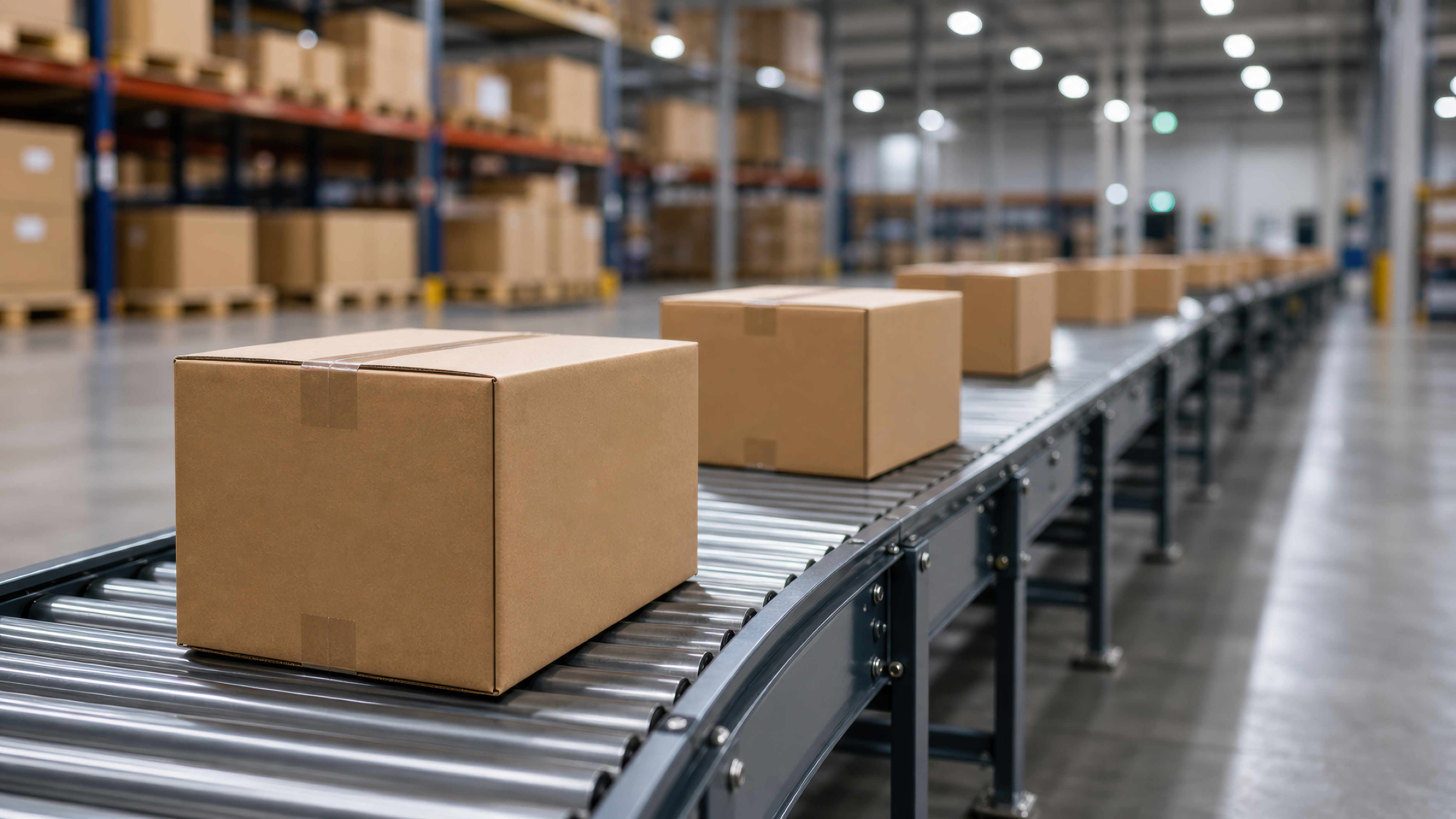
- The 3PL picks the correct item.
- They pack it according to your brand’s custom requirements.
- They ship it using negotiated carrier rates you likely couldn't get on your own.
4. Returns and Reverse Logistics
Returns can quietly destroy margins. A professional 3PL handles the "reverse" flow—inspecting returns, restocking sellable items, and providing data on why products are coming back.
5. Navigating the Complexities of 2026 Tariffs
In the current trade environment, a 3PL does more than move boxes—they protect your margins from shifting tax policies.
- Mitigating "Liberation Day" Impacts: With the 10% flat tariff and higher duties on strategic sectors like steel and electronics, 3PLs help you calculate the "True Landed Cost" of your goods. They ensure your HTS (Harmonized Tariff Schedule) codes are 100% accurate so you don’t overpay.
- Section 321 & De Minimis Strategy: As the $800 duty-free exemption is being phased out globally, 3PLs are essential for navigating the new "formal entry" requirements. They manage the increased paperwork that used to be skipped, preventing your shipments from being held at the border.
- FTZ and Bonded Warehousing: Many top-tier 3PLs offer Bonded Warehousing. This allows you to store inventory without paying duties immediately—you only pay when the product is sold and shipped, which is a massive win for your cash flow.
When to Make the Move: The 2026 Benchmark
Most brands wait too long to outsource. If you find yourself spending more time on tape and bubble wrap than on product development, you're already behind. You should move to a 3PL if:
- Shipping Volume is Consistent: You’re doing 50+ orders a week.
- Space Constraints: Your "home office" or garage has become a safety hazard.
- Transit Times are Lagging: You need to offer 2-day shipping to stay competitive with major retailers.
- Scaling Nearshore Production: If you’ve successfully shifted production to Latin America, you need a professional logistics partner to handle the increased throughput.
- Complicated Taxes and Fees: When complicated tariffs and custom fees have started to impact your bottom line, 3PLs can help you find solutions and avoid unnecessary taxes.
Pro Tip: In 2026, the "hidden cost" of DIY fulfillment is your time. If your hourly value is $100 and you spend 10 hours a week packing boxes, you’re spending $4,000 a month on "free" labor.
Nearshore Vetted Partner: Argents
We are proud to partner with Argents Express Group for the Get Nearshored Grant. Here is a bit about them:
- U.S.-based, trusted since 1977 — nearly 50 years of supply chain and logistics expertise
- Owned warehousing + modern warehouse management system (WMS) — technology-enabled operations with nationwide coverage
- End-to-end logistics services — freight forwarding, customs clearance, fulfillment, and distribution
- Built to scale with you — supporting manufacturers and brands of all sizes