.jpeg)
Sustainable Sourcing 101: A Brand’s Guide to Eco-Fabrics and Nearshore Manufacturing
In 2026, building a sustainable brand isn't about being perfect; it’s about being smart. For independent labels and e-commerce entrepreneurs, the "green gap" (the higher cost of eco-materials) is the biggest hurdle.
Learn how to choose sustainable fabrics by understanding fiber origins, eco certifications, and processing methods to create responsible, high-quality products.
The secret to scaling is simple: Source better materials, but reduce the costs of getting them to your door. Here is your 4-step checklist to implement a sustainable, cost-effective supply chain today.
Step 1: Start with "Low-Impact" Staples
Don't get overwhelmed by exotic fibers. Start with the "Big Four" that are easy to find and widely accepted by customers:
- Deadstock Fabric: These are high-quality leftover rolls from larger brands. It is the most sustainable option because the fabric already exists, and it’s often sold at a discount.
- Low-Impact Natural Fibers: Organic Cotton, linen, hemp, bamboo are just a few more eco-friendly options when compared to polyester or conventional cotton. Look for crops that use less water and pesticides to grow, as well as crops that have regenerative properties.
- Responsible Animal Fibers: Look for recycled wool and cashmere as well as new fibers that are RWS (Responsible Wool Certified) and RAS (Responsible Alpaca Certified). These certifications ensure that the animals and the land are treated with care.
- Next gen sustainable materials: Check out newly developed materials like TENCEL™ (lyocell and modal), as wells as rPET(Recycled polyester), and new materials that are made from innovative ingredients like mycelium, pineapples, apples, and cactus! Be careful when selecting a new gen sustainable material and check that it is actually eco-friendly as many new materials can feature a large amount of resin, plastic, or high energy processing.
Step 2: Look for Three Specific Labels
You don't need a degree in textile science. Just look for these three certifications on a supplier’s website to verify they are legitimate:
- GOTS: The gold standard for organic fibers.
- OEKO-TEX: Guarantees the fabric is safe for skin and free of toxic chemicals.
- GRS: Verifies that "recycled" materials are actually recycled.
Not sure who to trust? Don’t be afraid to ask your supplier for their up to date certifications.
Step 3: Use "Smart Sourcing" to Lower Your Costs
Sustainability often costs more per yard, but you can offset that by optimizing how you buy.
- Consolidate Your Fabrics: Instead of buying five different fabrics for five different shirts, use one high-quality organic cotton base for your whole line. Buying more of one fabric helps you hit "Minimum Order Quantities" (MOQs) and lowers your price per yard.
- Buy in Bulk: The more fabric you buy, the less it will cost per yard. By planning ahead and ordering a large amount of fabric at once, you can cut down on costs in the long run. Before ordering in bulk, be sure to sample the fabric to be sure adequate for your project.
- Nearshore Your Production: If possible, source your fabric closer to home. Much of the world’s fabrics are produced in Asia and Europe but there are growing numbers of manufacturers that are operating in the US and Latin America. When choosing your fabrics, try to find ones that are more likely to be made in the West (like knit cotton fabrics!) While US production might be higher in price, consider that you’ll be saving on air freight and import duties. Take each fabric on a case by case basis, and use our Costing Calculator to determine your best options.
- Split the difference: It is possible when looking for a specific fabric, that you won’t be able to find or afford an entirely American-made fabric. Consider splitting the difference by buying raw material from Asia and Europe, and doing your fabric finishing (dyeing, printing, embellishing) in the US or Latin America. This could help bring your cost down while also having more control over quality and sustianability.
Step 4: Choose Clean Printing and Dyeing Methods
The "wet processing" phase (dyeing and printing) is where 80% of a garment's toxic runoff occurs. In 2026, brands have two clear paths to stay sustainable:
- Digital Textile Printing: Unlike traditional screen printing, digital printing works like your office inkjet—it prints color directly onto the fabric.
- Why it’s sustainable: It uses 95% less water and significantly less ink waste.
- Why it’s smart: There are no "screens" to set up, making it perfect for small batches and custom designs.
- Low-Impact & Waterless Dyeing: If you are dyeing large batches of solid colors, ask your factory about AirDye technology or CO2 dyeing. These methods use specialized gases or heat instead of water to bond pigment to the fiber.
- Cost Hack: If these high-tech methods are out of budget, simply ensure your factory uses AZO-free dyes and has a water treatment plant on-site to clean and reuse their wastewater.
- Cost Hack: If these high-tech methods are out of budget, simply ensure your factory uses AZO-free dyes and has a water treatment plant on-site to clean and reuse their wastewater.
The Smart Way to Purchase and Move Your Fabric
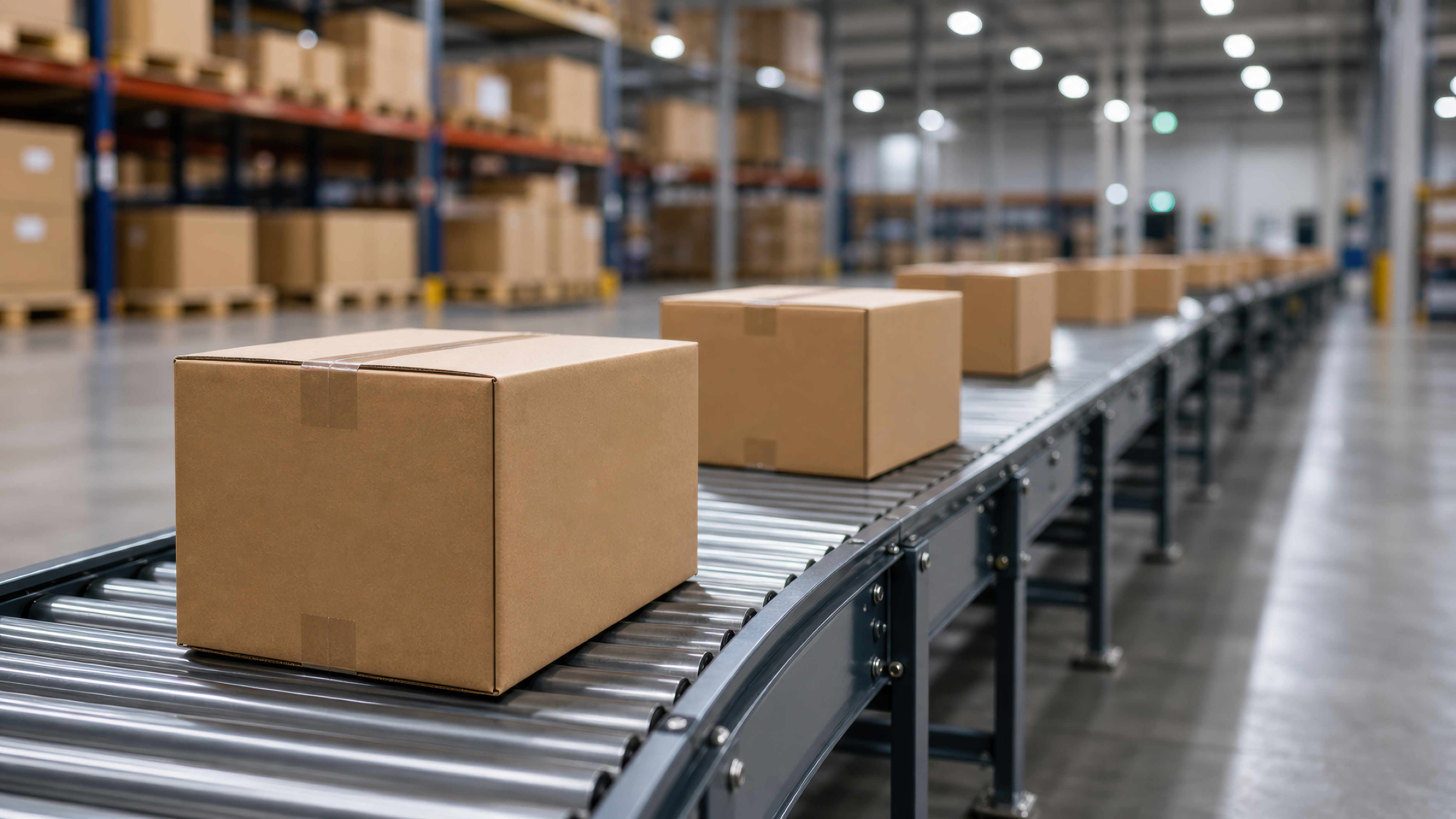
Even the most sustainable fabric loses its "eco-status" if it is shipped halfway across the world in a carbon-heavy container. To keep your brand profitable and planet-friendly, you must look at the Total Landed Cost of your materials.
Nearshoring (when possible) is the most effective way to lower your carbon footprint. In 2026, brands are moving production to the US and Latin America to take advantage of:
- Drastically Lower Shipping Costs: Moving fabric by truck or short-sea freight is significantly cheaper and faster than air-freighting from overseas.
- Duty-Free Trade: Many countries in Latin America have trade agreements that allow you to import finished goods into the USA without heavy tariffs.
- Inventory Agility: Shorter distances mean you can order in smaller batches and "restock" quickly, preventing the waste of unsold inventory.
Ready to Modernize Your Supply Chain?
The right fabric is only half the battle; the right partner is the other. Whether you're a startup or an established label, finding a factory that understands both sustainability and speed is key to your success in 2026.
Get Started with Nearshore — Connect with vetted, sustainable factories in Latin America today and start building a brand that is both profitable and planet-friendly.