How Large Enterprises Use “Read and React” Programs to Boost Profits (with real examples)
How large companies like Zara, Best Buy and H&M use "read and react" programs
Retail today moves at breakneck speed. A viral TikTok trend can create massive demand in days, while consumer preferences shift faster than traditional supply chains can handle. In this environment, enterprises can’t afford to bet big on guesses. Instead, many have turned to Read and React programs—a “test, read, and react” approach that blends risk management with real-time data to optimize product decisions.
At its core, the method is simple: test small, learn fast, and scale what works. But at the enterprise level, the execution is far from simple. It requires strategic test store selection, cross-functional alignment, and increasingly, AI-powered demand sensing. Done right, the payoff is significant—higher margins, faster speed-to-market, and happier customers.
The Strategic Foundation: Test, Read, and React
The idea behind Read and React programs is straightforward:
- Test new products or concepts in carefully selected stores.
- Read the results in real time, tracking metrics like sell-through, conversion rates, and customer engagement.
- React by scaling winning products and cutting underperformers before they drain resources.
This test-first, scale-second principle flips traditional retail planning on its head. Instead of forecasting months ahead and hoping demand matches, enterprises gather live data before making costly bets.
Core Components of Read and React Programs
1. Strategic Test Store Selection
The success of these programs begins with choosing the right test markets. Enterprises typically allocate 10–15% of planned inventory budgets to testing, enough to collect meaningful data without overexposing capital. The key is ensuring test locations mirror broader market demographics, purchasing patterns, and regional conditions.
2. Real-Time Performance Monitoring
Weekly feedback loops are standard. Core metrics include:
- Sell-through rates in the first 2–3 weeks
- Size/variant performance (which SKUs move fastest)
- Conversion changes in-store and online
- Customer feedback and engagement
The faster companies can interpret these signals, the quicker they can double down—or pivot.
3. Cross-Functional Collaboration
Testing only works when teams are aligned. Merchandising, allocation, finance, and marketing must share definitions of success from the start. Otherwise, scaling decisions can stall in silos.
Measurable Impact: From Forecasting to ROI
Demand Sensing with AI
Modern programs increasingly rely on AI-powered demand sensing, which improves forecast accuracy by 30–40%. By analyzing supply chain data, market signals, and consumer behavior in real time, these tools help enterprises:
- Reduce inventory costs
- Increase product availability
- Minimize markdowns
Key Financial Metrics
Enterprises track a handful of profitability KPIs:
- Average Transaction Value (ATV): Often up 15–25%, thanks to testing optimized product mixes.
- Gross Margin Return on Investment (GMROI): Leading retailers report 33% gains in inventory turnover, reflecting more profit per inventory dollar.
Case Studies on Read and React Programs – with Real-World Enterprise Examples
H&M’s AI-Driven Turnaround
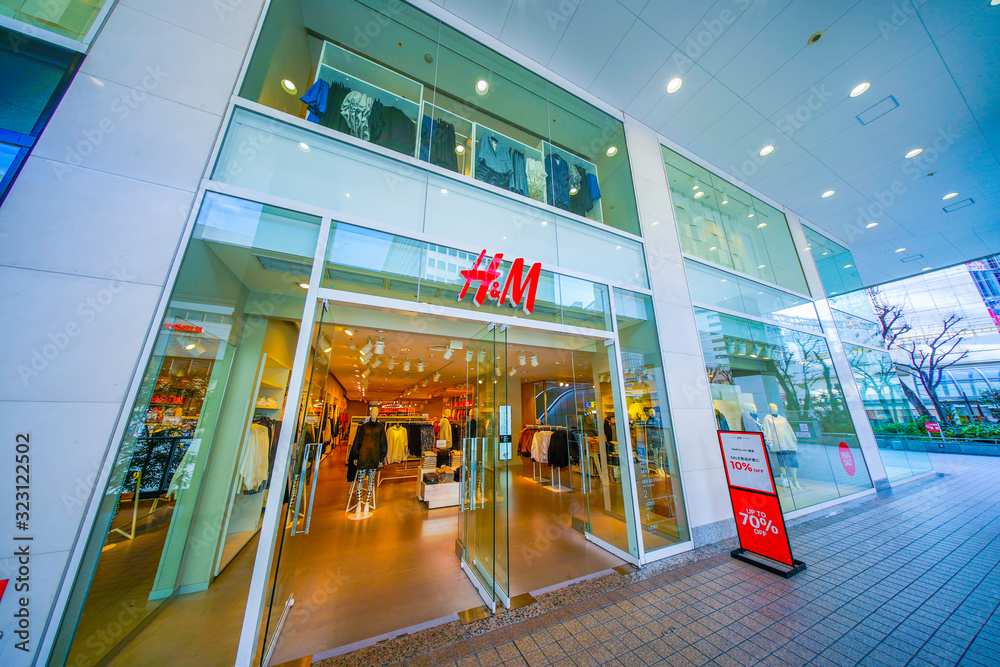
H&M embraced AI-driven Read and React programs, with striking results:
- 30% profit increase from optimized inventory decisions
- 39% reduction in markdowns
- 21% improvement in product availability
By recognizing that each store had unique needs, H&M moved beyond one-size-fits-all planning, tailoring assortments in ways traditional demographics never could.
Retail Media Applications
Read and React isn’t just for products. Retailers also apply the model to ad spend optimization. Marketplace sellers, for example, spend 127% more on ads than first-party brands, creating an opportunity for platforms to test and scale campaigns dynamically. AI-driven campaign tools allow thousands of sellers to experiment at once, maximizing incremental revenue during peak periods.
The Technology Backbone
Advanced Analytics and Machine Learning
Modern platforms combine internal data (pricing, promotions, lifecycle), retailer data (POS, sales orders), and external data (competitor moves, weather, economic signals). Machine learning models continually adapt, sharpening predictions with every cycle.
Best Practices for Implementation
Enterprises following this playbook consistently outperform peers:
- Define clear KPIs (e.g., forecast accuracy, inventory turnover).
- Integrate data sources across ERP, CRM, and SCM in cloud environments.
- Deploy predictive models and fine-tune continuously.
- Establish feedback loops for ongoing optimization.
Competitive Advantages
- Speed-to-Market: Companies gain a 30–40% faster time-to-market, beating slower-moving rivals to emerging trends.
- Risk Mitigation: By limiting exposure to 5–10% of planned inventory, failed launches become learning moments, not financial disasters.
- Customer Experience: Instead of relying on seasonal forecasts, enterprises respond to customers in real time—driving satisfaction, loyalty, and repeat purchases.
Read and React programs represent a shift from rigid, forecast-driven planning toward agile, data-driven retail. For large enterprises, the benefits are clear: higher profitability, leaner operations, reduced risk, and customers who feel heard.
In an era where consumer preferences can turn overnight, the ability to test, read, and react isn’t just an operational advantage—it’s survival. Enterprises that master it will continue to outpace the competition, quarter after quarter.
Zara: The Pioneer of Test-and-React Excellence
Zara stands as perhaps the most sophisticated example of read and react implementation in the retail industry. The Spanish fast-fashion giant has built its entire business model around rapid testing and responsive scaling that produces remarkable financial results.
Zara's Strategic Testing Infrastructure
Zara operates "secret" pilot stores at its Spanish headquarters specifically designed to mock up and test future store concepts. The company employs a full-time team of architects and visual merchandising experts who work exclusively on testing everything from store decor and lighting choices to music selection and product positioning.
These pilot facilities include separate testing stores for each core category: women's, men's, home, and the TRF range for younger customers. This dedicated testing infrastructure allows Zara to validate concepts before rolling them out across their global network of over 1,500 stores.
Quantifiable Business Impact
Zara's read and react approach delivers exceptional performance metrics:
- 12 inventory turns per year compared to 3-4 for competitors
- 85% of items sold at full price versus the industry average of only 60%
- Only 10% unsold inventory annually compared to industry averages of 17-20%
- Customers visit Zara stores 17 times per year in Spain versus just 3 times for competitors
Real-Time Response Capabilities
Zara's supply chain enables 4-6 week delivery of completely new items from design to store, with existing items modified and restocked in just 2 weeks. This agility allows them to capitalize on trends while competitors are still in planning phases.
The company's approach to inventory management creates intentional scarcity that drives consumer urgency. When a particular item performs well in test stores, management rapidly replicates success by stocking the same item in other locations, but deliberately maintains limited quantities to sustain demand momentum.
Walmart: Systematic Test-and-Learn Program
Walmart has implemented one of retail's most comprehensive "Test and Learn" programs that systematically evaluates new products, services, and technologies before nationwide rollouts.
Structured Testing Framework
Walmart's approach involves testing initiatives in carefully selected store locations, gathering detailed performance data, and making data-driven scaling decisions. If tests succeed, they roll out nationally; if they fail, Walmart incorporates learnings into other projects rather than viewing them as failures.
A notable example was Walmart's "Scan & Go" smartphone app test across 200 stores. When customer adoption proved challenging, instead of abandoning the effort entirely, Walmart extracted the key insight that customers valued spending tracking capability. This learning became the foundation for their electronic receipt storage program.
Current Innovation Testing
Walmart recently launched an in-home product testing program through its Walmart Spark Community, allowing select suppliers to test products directly in customers' homes. This program provides brands unprecedented access to real consumer behavior data while giving Walmart additional revenue through its Luminate insights platform subscription fees.
The retailer has also converted four stores into dedicated "laboratories for testing" new ways to improve customer experience and operational efficiency. These testing facilities allow Walmart to evaluate everything from store layouts to fulfillment technologies before broader deployment.
Target: AI-Powered Testing and Personalization
Target has implemented sophisticated testing programs focused on technology integration and personalized customer experiences that demonstrate measurable business impact.
GenAI Testing and Deployment
Target developed and tested Store Companion, a GenAI-powered chatbot, across 400 pilot stores before announcing chainwide rollout to nearly 2,000 locations by August 2024. The tool answers process questions, coaches new team members, and supports store operations management.
Early pilot feedback showed the technology positively impacts daily work by streamlining routine tasks and allowing team members to spend more time with customers. The rapid development cycle took the project from initial testing to planned rollout in just 6 months.
Omnichannel Testing Strategy
Target continuously tests digital experience enhancements, including AI-powered product pages and search capabilities. The company has enhanced over 100,000 product display pages using GenAI to summarize reviews and create more relevant product descriptions.
Their Guided Search feature allows customers to use conversational language, with searches like "summer party" returning curated results spanning party supplies, grilling items, outdoor games, and other relevant products.
Best Buy: Omnichannel Innovation Testing
Best Buy's read and react strategy focuses on seamless integration between online and offline experiences, with continuous testing of new customer engagement technologies.
Mobile App Innovation Testing
Best Buy's mobile app serves as a testing ground for new customer experience features including augmented reality (AR) for product visualization, store maps for navigation, and personalized recommendations based on customer behavior.
The app includes price drop alerts and curbside pickup optimization that were tested in select markets before nationwide deployment.
Data-Driven Decision Making
Best Buy extensively uses customer data and analytics to optimize store layouts based on traffic patterns and to create targeted marketing campaigns for specific customer segments. This approach ensures that technology investments align with customer expectations and drive measurable improvements in customer experience.
The company's price-matching policy was developed and refined through testing across different markets, building customer confidence while maintaining competitive positioning.
How to use Nearshoring factories and small batch production to create a read and react program
By combining nearshoring with small-batch production, brands can move from rigid seasonal planning to a more agile “read and react” approach. Working with nearshore factories allows you to produce closer to your customers, shorten lead times, and respond quickly to what’s actually selling. Instead of overproducing months in advance, you can test styles, gauge demand, and restock in real time—keeping inventory lean and margins healthy. Nearshored production turns your supply chain into a flexible growth engine, helping you adapt faster, reduce waste, and stay ahead of market trends.
On Nearshore, you can create a free RFQ and put the MOQ you are looking for (can be sample only or as small as 12 or 100 units!)
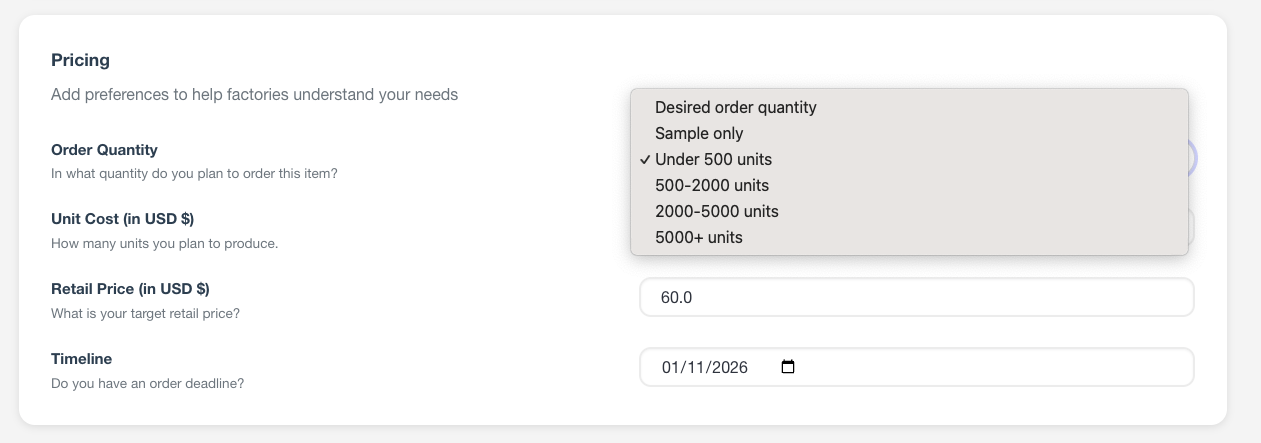
Create a free RFQ by signing up here: nearshored.ai
Sources
- McKinsey & Company: The Future of Retail Operations
- Bain & Company: AI in Merchandising and Demand Forecasting
- H&M Annual Report (2023)
- Deloitte Insights: Retail Inventory and Forecasting Trends
- eMarketer: Retail Media Spending Report