5 Celebrity Brand Strategies: Manufacturing Blueprints for Scaling in 2026
Today’s most successful ventures—from Skims to Rare Beauty—are built on a foundation of sophisticated supply chain management and strategic factory sourcing.
For independent founders and e-commerce entrepreneurs, the same lesson applies: your brand is only as strong as your manufacturing partners.
The biggest celebrity brands didn’t scale on star power alone — they built supply chains that could keep up.
We broke down how Fenty Beauty, Skims, Rare Beauty, The Honest Company, and Good American each use sourcing strategy as a competitive advantage: from ethical certifications to drop models to proximity manufacturing.
The takeaways apply whether you’re launching your first product or scaling your hundredth!
1. Skims: “Drop” Model with Agile Sourcing and Global Compliance
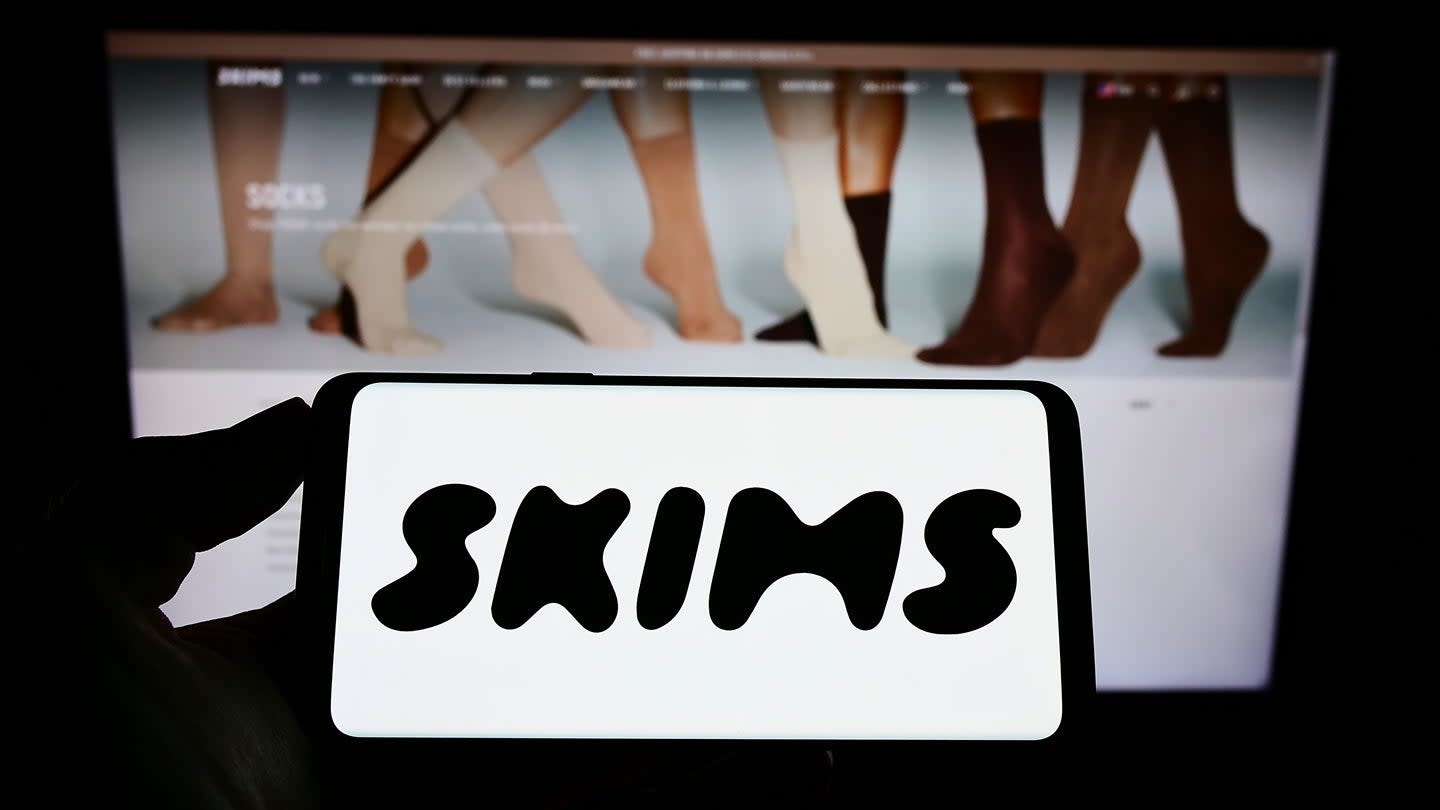
Kim Kardashian’s Skims disrupted the shapewear industry with a high quality product and redefined inventory management. By utilizing agile manufacturing partners, Skims maintains a "drop" model that requires rapid turnarounds and high-volume consistency. Scaling at this speed requires a deep assessment of your business needs, specifically determining the scope of work and expected outcomes before signing a contract.
As a member of the Fair Labor Association (FLA), Skims holds its global supply chain to ethical standards. According to their Official Compliance Statement, they require all Tier 1 suppliers to adhere to a zero-tolerance policy regarding forced labor. For brands looking to replicate this agility, nearshoring is the ultimate lever. Choosing a supplier in a similar time zone enables seamless communication and real-time collaboration.
Related reading: Follow our "Ultimate Factory Vetting Guide" to evaluate technical expertise and project management skills before you commit.
2. The Honest Company: Trust Through Verified Certifications
Jessica Alba’s The Honest Company built its reputation on transparency. Their strategy relies on third-party verifications to prove their commitment to "clean" standards. In their Official Vendor Compliance Statement, the company details its mandate for partners to maintain ethical standards and environmental sustainability. These certifications are essential trust signals that confirm quality and safety.
When sourcing your own partners, look for specific certifications highlighted on the Nearshore platform:
- ISO 14001: For environmental management systems.
- Oeko-Tex Standard 100: To guarantee products are safe for human use.
USDA Organic: To certify organic ingredients in textiles or cosmetics.
3. Rare Beauty: Sustainability as a Strategic Asset
Selena Gomez has made social impact central to Rare Beauty. This requires a supply chain that is efficient and sustainable. According to Rare Beauty’s Sustainability Commitment, they utilize 100% recyclable, FSC-certified outer packaging and adhere to strict cosmetic standards.
To ensure your brand meets these ethical standards, you must verify that your factories hold certifications for ethical labor and social responsibility. Look for standards such as SA8000, which focuses on worker rights and fair treatment, or WRAP, which verifies lawful and humane manufacturing. Reviewing a guide on "Factory Certifications" can significantly boost your brand's credibility.
4. Fenty Beauty: Scaling Diversity with Robust Infrastructure
Rihanna’s Fenty Beauty shocked the industry by launching with 40 foundation shades across a global market — a move that set a new standard for inclusivity in beauty. Launched in partnership with LVMH’s Kendo incubator, Fenty leverages a world-class, vertically integrated supply chain. LVMH’s 2025 Universal Registration Document outlines their “Supplier Code of Conduct,” which ensures that all Maisons meet the highest ethical standards.
When evaluating a potential factory, you must confirm their facilities and workforce can support your evolving requirements as you grow. Proximity to the U.S. market also reduces travel costs for on-site quality checks, which is essential when managing complex product lines.
5. Good American: Quality Control Through Rigorous Standards
Co-founded by Khloé Kardashian and Emma Grede, Good American is a leader in inclusive fashion. A major part of their strategy is maintaining tight control over quality and fit through rigorous supplier standards and a drop model that limits production runs — reducing both overstock and the risk of miscommunication at scale.
Good American outlines its efforts to eradicate slavery and human trafficking from its supply chain in accordance with the California Transparency in Supply Chains Act (CA-TISCA), involving factory audits and supplier certifications. As a Certified B Corporation, every business decision considers social and environmental impact — reflected in their use of organic and recycled cotton across 70% of their denim collections.
The "Shortcut" to Your Next Factory
Don't spend hundreds of hours on searching or risking your production on unverified factories. If you’re a business looking for suppliers and manufacturers but needs a pre-vetted shortlist, the Factory Search Pass is your secret weapon.
Get instant, access to our proprietary database of high-caliber manufacturers across Latin America, Europe and the USA.
What’s inside the Search Pass?
- 5K+ Vetted Suppliers: Access direct contact info for facilities vetted for quality, labor standards, and certifications.
- Niche Filtering: Instantly filter by MOQs, specific machinery, and product categories (from technical activewear to luxury home goods).
- The Nearshore Advantage: Find partners in your timezone, allowing for 2-hour flights instead of 15-hour ones and significantly faster lead times.
- Transparent Standards: See factory certifications (WRAP, OEKO-TEX, etc.) at a glance so you can build a compliant brand from Day 1.
Why wait for a middleman? Take control of your sourcing and start direct conversations with the world’s best nearshore partners today.